
Why Hair Porosity Matters More Than Any Shampoo Ingredient
If you’ve ever tried a new shampoo hoping for softer, stronger hair but didn’t notice any changes, the issue might not be the shampoo itself. The real problem is that no one probably told you about your hair’s porosity — and porosity determines how products like shampoo actually work on your hair.
Porosity refers to how well your hair can soak up and keep moisture.
It’s influenced by your genetics and your hair’s history, like how much you use heat, color your hair, or what kind of water you wash with. Porosity comes in three main types: low, medium, and high. Most people don’t realize that the same shampoo can act completely different on two people, depending on their porosity. That’s because the way you wash your hair needs to change based on your hair’s type.
Low Porosity: The Cuticle Stays Shut
If your hair takes a long time to get wet in the shower, dries slowly, and products don’t soak in but sit on top, you probably have low porosity hair. The cuticle, which is the outer layer of each hair strand, is flat and tight, making it hard for water and other ingredients to get inside.
For this type of hair, using warm water can help.
It gently lifts the cuticle, allowing things to go into the hair instead of just sitting on the surface. Letting a cleanser stay on your scalp for two to three minutes instead of rinsing it right away gives the formula time to work properly before you wash it out.
Medium Porosity: The Easy Middle
Medium porosity hair takes in and keeps moisture at a steady pace. This type of hair can handle changes in your routine without getting upset. Using lukewarm water and massaging for about one to two minutes is usually enough. You don’t need to make any special changes, which is likely why most general shampoo guides online are written for this hair type without mentioning it directly.
High Porosity: The Open Door
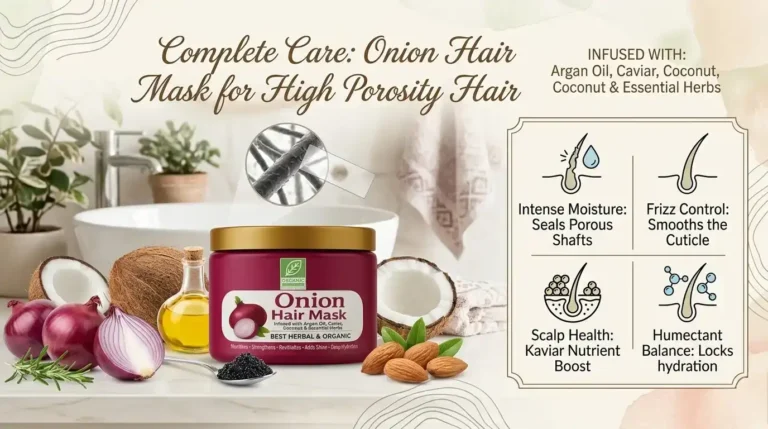
Hair that’s high in porosity has spaces and bumps in its outer layer, which can happen because of your genes or from using too much heat, chemicals, or sun. This type of hair soaks up water quickly, but also loses it just as fast. That’s why it can feel dry even right after you wash it.
The key isn’t using more products, but spending less time on the hair.
Use shampoo only for a short time on your scalp, and then rinse with cold water. Cold water helps the hair’s outer layer close up, keeping the moisture inside instead of letting it escape right away.
So Why Does the Shampoo Itself Still Matter?
The way you wash your hair is important, but what you use to wash with also makes a difference — especially whether it has sulfates or not.
Sulfates are what make shampoo foam up a lot.
They clean well, but they also take away natural oils from your hair more quickly. This can be tough on high porosity hair, which already loses moisture easily. Shampoos without sulfates don’t foam as much, but that doesn’t mean they’re less effective. It just means they’re not as harsh on your hair.
Ingredients like amla, shikakai, and biotin help make the shampoo gentler.
They’re not miracle solutions, but they form a softer base. Amla and shikakai have been used for a long time in South Asian hair care as mild, plant-based cleansers. Biotin is often talked about for scalp health, but it’s important to be realistic about what a shampoo can do. It only stays on your scalp for a few minutes before you rinse it off. So think of it as helping support a healthy washing routine, not as a fix for hair growth or hair loss on its own.
Putting It Together
If you want to really check if your hair routine is helping or hurting your hair, try this for two weeks:
First, find out your hair’s porosity with the simple water test — take a clean strand of hair and drop it into a glass of water.
If it sinks quickly, your hair has high porosity. If it floats, it’s low porosity. If it sinks slowly, it’s medium porosity.
Change the water temperature and how long you leave the hair in the water to match what you found.
If you’re not already using one, switch to a sulfate-free shampoo, especially if you have high porosity or colored hair.
Wait for two full weeks before deciding if it’s working — hair care usually takes time to show results, not overnight.
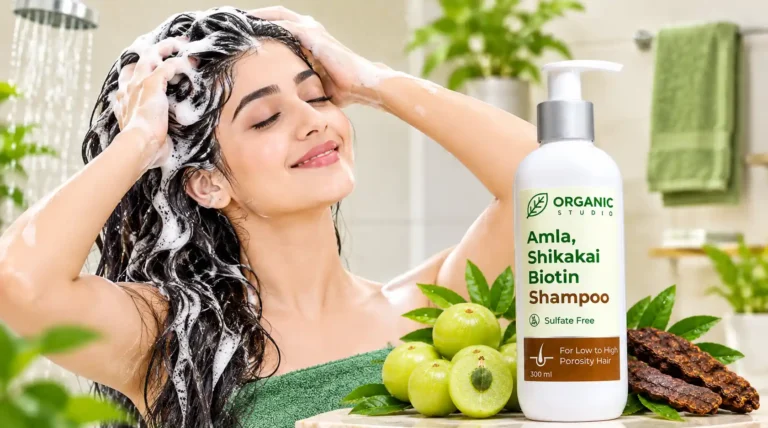
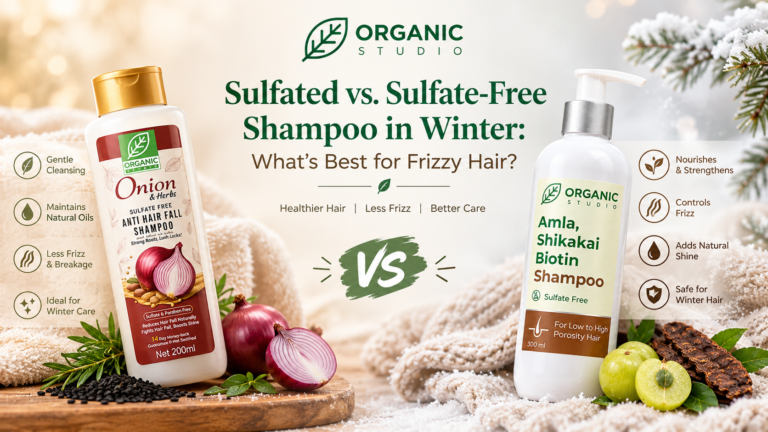
Organic Studio’s Amla Shikakai Biotin Shampoo is a sulfate-free option made with amla, shikakai, reetha, kalonji, and biotin.
The same porosity-based usage instructions are printed right on the bottle — because the formula stays the same for all hair types, but how you use it depends on your porosity.